Would you like to contact SERFIM or one of its companies?
Contact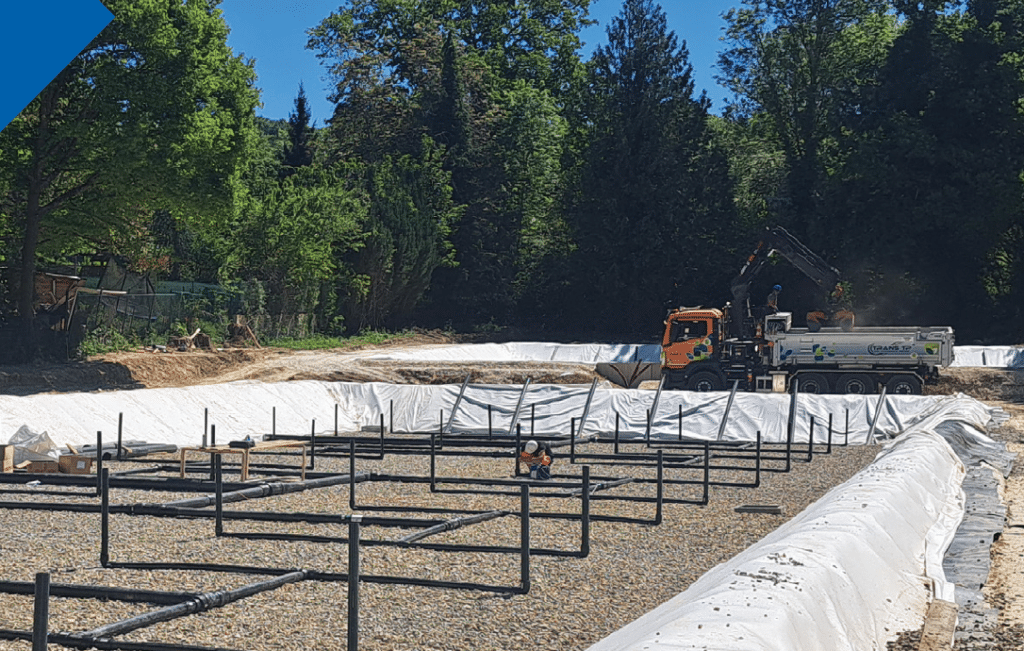
Water is now one of the most vulnerable resources. Faced with population pressure, aging infrastructure, and environmental constraints, local governments must rethink their wastewater treatment systems. In this context, certain solutions inspired by the natural functioning of ecosystems are once again proving to be highly relevant.
This is the case with reed-based wastewater treatment plants, which SERPOL is currently deploying in several regions.
Using Living Organisms to Treat Water
The principle may seem simple: using basins filled with sand, gravel, and plants to filter wastewater. In reality, the system’s performance depends on a delicate balance between engineering and natural processes.
The water is distributed across several filters. At the surface, reeds help oxygenate the water, while deeper down, filter media trap pollutants. It is this combination that enables effective water treatment without the need for heavy or energy-intensive equipment.
A solution tailored to local communities
The reason these facilities are attracting more and more local governments is that they meet very specific needs.
They offer:
– Great ease of operation
– Long-term durability
– Low energy consumption
They are particularly well-suited for small and medium-sized municipalities seeking reliable, sustainable solutions that are proportionate to their challenges.
Projects Rooted in Real-World Experience
In Seine-et-Marne, several construction projects illustrate this trend. In Noisy-Rudignon, a new station is set to replace an outdated facility that is both undersized and ill-suited to current needs.
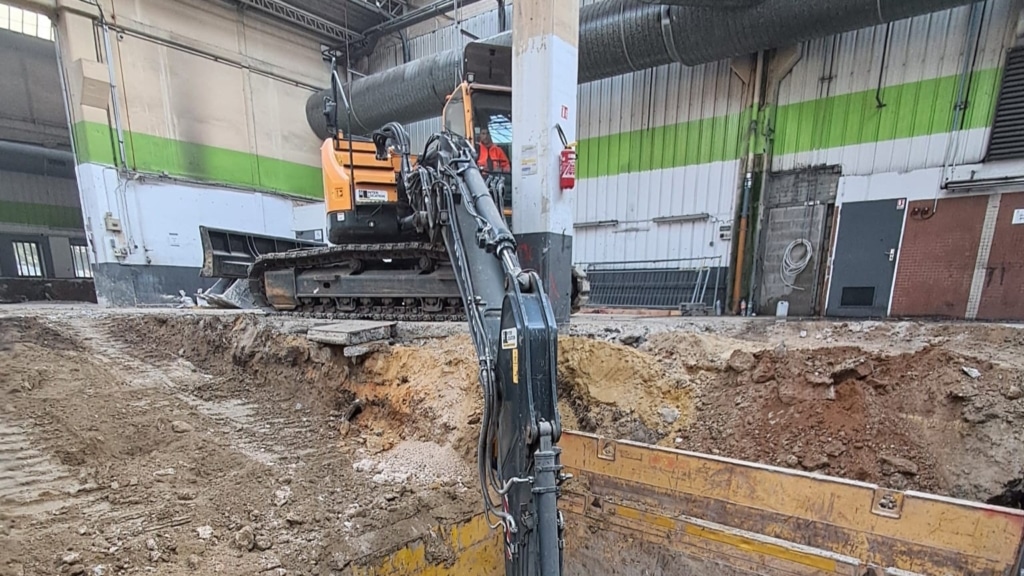
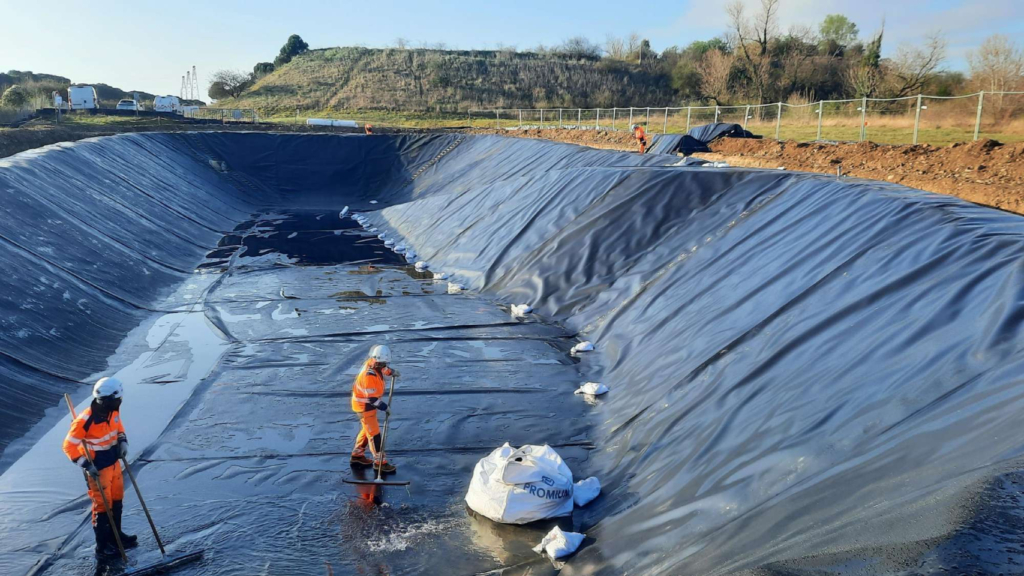
In addition to building the treatment plant, the teams are also working on ancillary structures, such as the rehabilitation of an existing lagoon. This is a key aspect, since this area is used for the storage and infiltration of treated water.
These projects serve as a reminder that sanitation is not limited to a single piece of infrastructure, but is part of a comprehensive water management system.
A Simple and Sustainable Solution
One of the main advantages of reed bed filters is their low environmental impact. The process relies primarily on biological mechanisms, which limits the need for energy-consuming equipment.
This efficiency also translates into longevity:
– Less complex maintenance
– Fewer sensitive technical components
– Good resistance to variations in usage
In a context where local governments are seeking to optimize their investments, this approach offers a credible alternative to more traditional treatment plants.
Another Way to Think About Infrastructure
Beyond the technical aspects, these installations reflect a more profound evolution. They illustrate a different way of thinking about infrastructure: no longer as isolated, artificial systems, but as structures capable of integrating into their environment.
Stations are becoming part of the landscape; man-made structures are giving way to more natural spaces; and engineering draws on living systems rather than constraining them.
A forward-looking solution
With these projects, SERPOL is reinforcing a fundamental trend: a return to solutions that are simple, effective, and sustainable.
Against a backdrop of increasing pressure on water resources, these plants offer a concrete solution that is immediately operational and adaptable to local conditions.
A way of reminding us that some of the best innovations sometimes involve… drawing inspiration from what already works in nature.