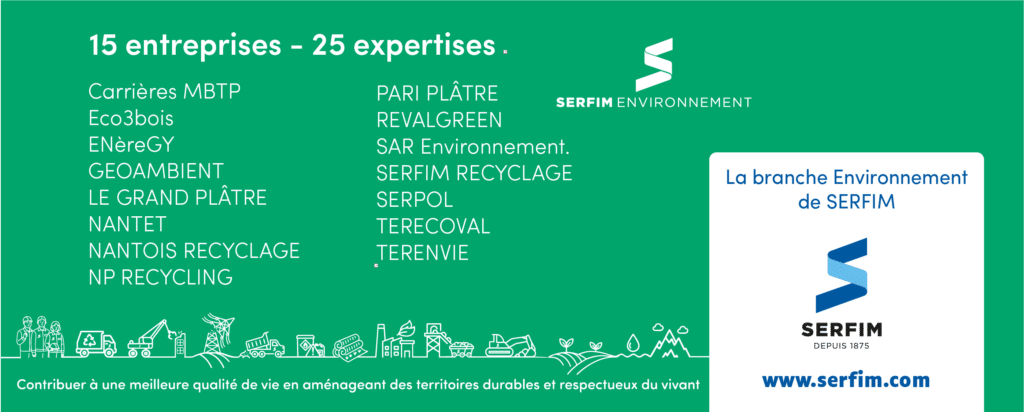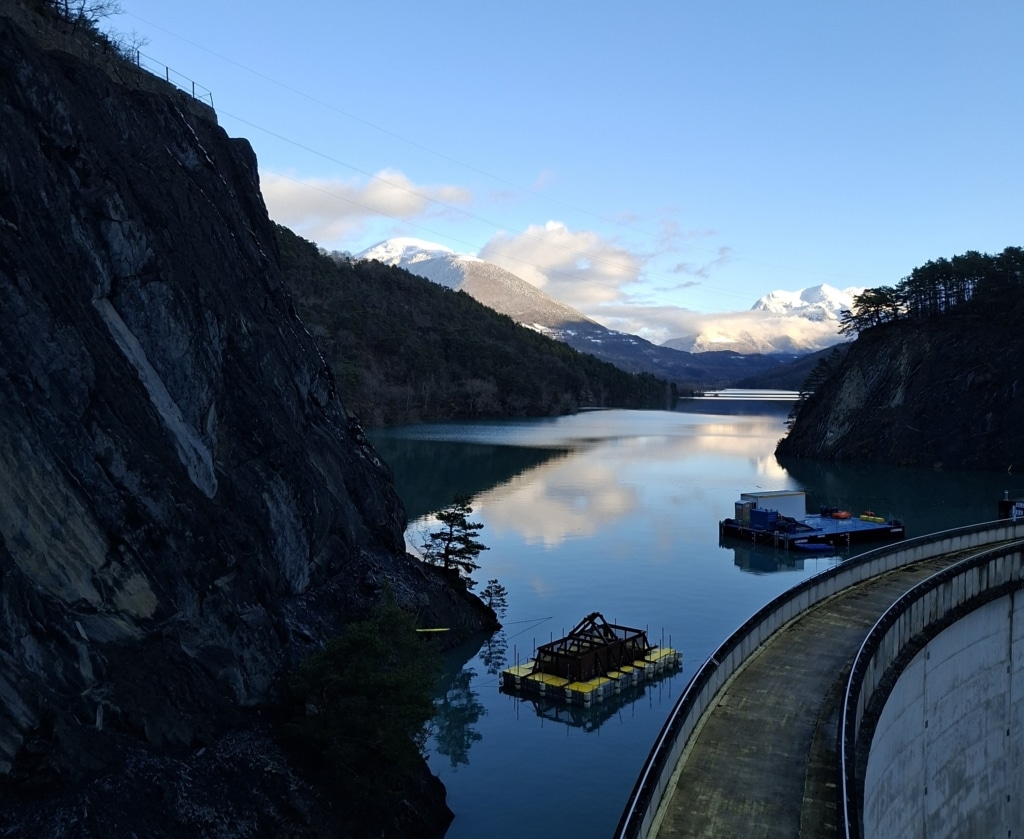
SERFIM Environnement works every day to address regional environmental challenges. Its areas of expertise include the development of the circular economy, materials recycling, waste management, site remediation, and the production of alternative energy.
These issues are fully in line with SERFIM’s commitments, in particular:
Mission 2: Preserving water resources
Mission 3: Combating the depletion of raw materials
DiscoverSERFIM Environnement'
's areas of expertise
1 – Recycle secondary raw materials from the construction industry
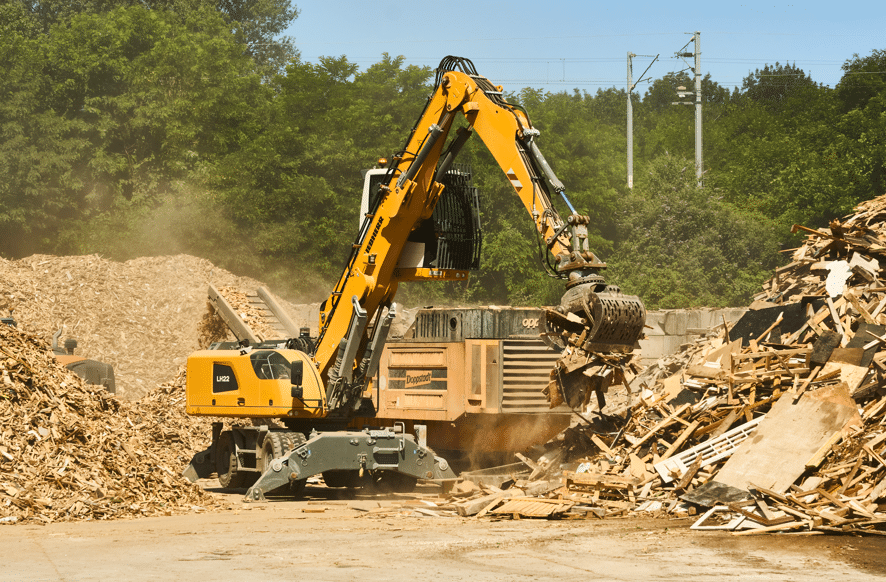
Materials from construction sites—such as plaster, wood, insulation, rubble, and concrete—are collected, sorted, and processed so they can be reused as valuable resources. This recycling process involves several steps (sorting, crushing, and processing) that allow these materials to be reincorporated into products for new construction projects.
These initiatives are part of acircular economy approach, in which waste becomes a reusable resource, thereby limiting the use of natural raw materials and reducing the volume of waste sent to landfills.
In the field :
– At the Saint-Priest facility , SERFIM RECYCLAGE recycles wood waste: nearly 60,000 metric tons were recycled in 2025, converted into raw materials or energy depending on their quality.
– In Porte-de-Savoie, NANTET operates a sorting center where 90% of the plaster is recycled, amounting to 68,000 metric tons of recycled gypsum.
Companies involved:SERFIM RECYCLAGE, NANTET, Carrières MBTP, SAR Environnement, Pari Plâtre, NP RECYCLING, ECO3BOIS
2 – Turning Waste into Alternative Energy
When certain types of waste can no longer be recycled as raw materials, they can be recovered in another way: by generating energy. After sorting and preparation, this waste is converted into fuels or energy resources used in specialized facilities to produce heat or electricity, or in facilities with high energy demands.
This solution complements recycling in order to minimize landfill disposal and make the most of all waste. It thus helps optimize waste management while contributing to the energy transition.
In the field :
– ENèreGY transforms non-recyclable waste into solid recovered fuel (SRF), which is used by manufacturers as a substitute for fossil fuels.
– REVALGREEN has developed a process that enables 100% recovery, both in terms of materials and energy.
Companies involved: ENèreGY, REVALGREEN
3 – Develop the region’s circular economy
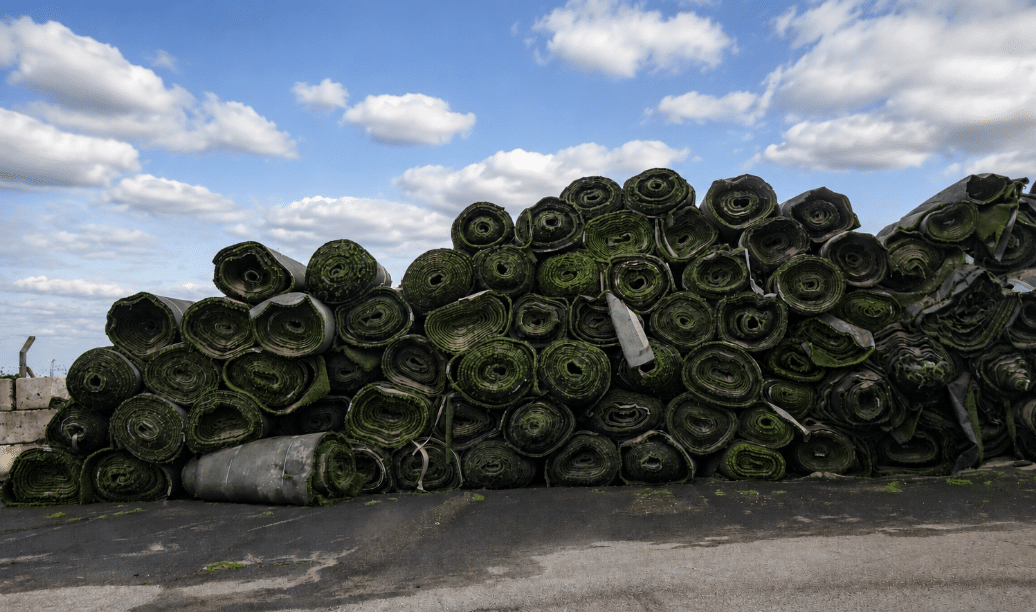
In line with theprinciples of the circular economy, SERFIM Environnement develops solutions aimed at establishing local recycling and reuse systems to reduce waste and optimize the use of resources at the regional level.
End-of-life materials and equipment are collected, sorted, and directed to appropriate recycling streams, allowing them to be reintegrated into new production cycles.
In the field:
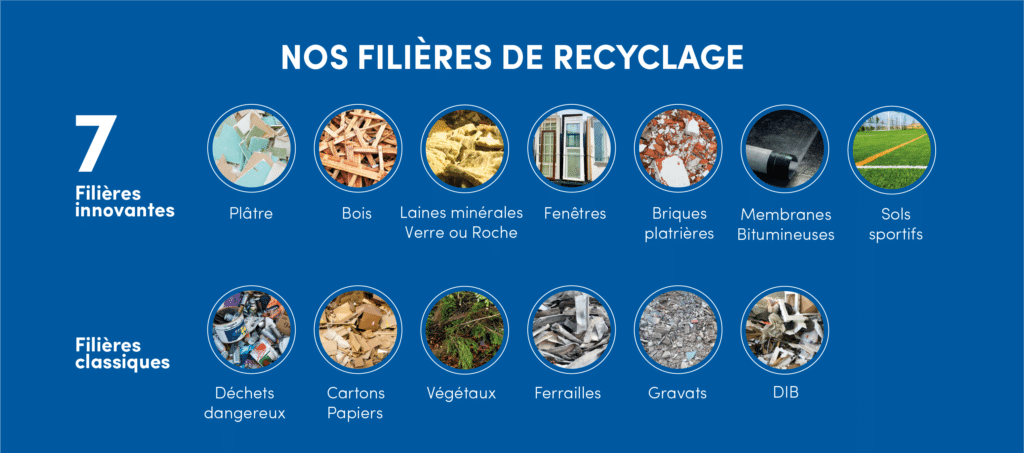
– Thirteen recycling streams have been developed to give a second life to a wide variety of waste streams:
plaster, wood, mineral wool, windows, plaster bricks, bituminous membranes, hazardous waste, cardboard and paper, plant waste, scrap metal, metals, construction debris, and non-hazardous industrial waste.
– TERECOVAL processes refrigeration equipment (refrigerators), which is disassembled to separate the various materials, which are then sent to specific recycling streams.
Companies involved: SERFIM RECYCLAGE, NANTET, REVALGREEN, TERECOVAL, SAR Environnement
4 – Rehabilitate and remediate sites
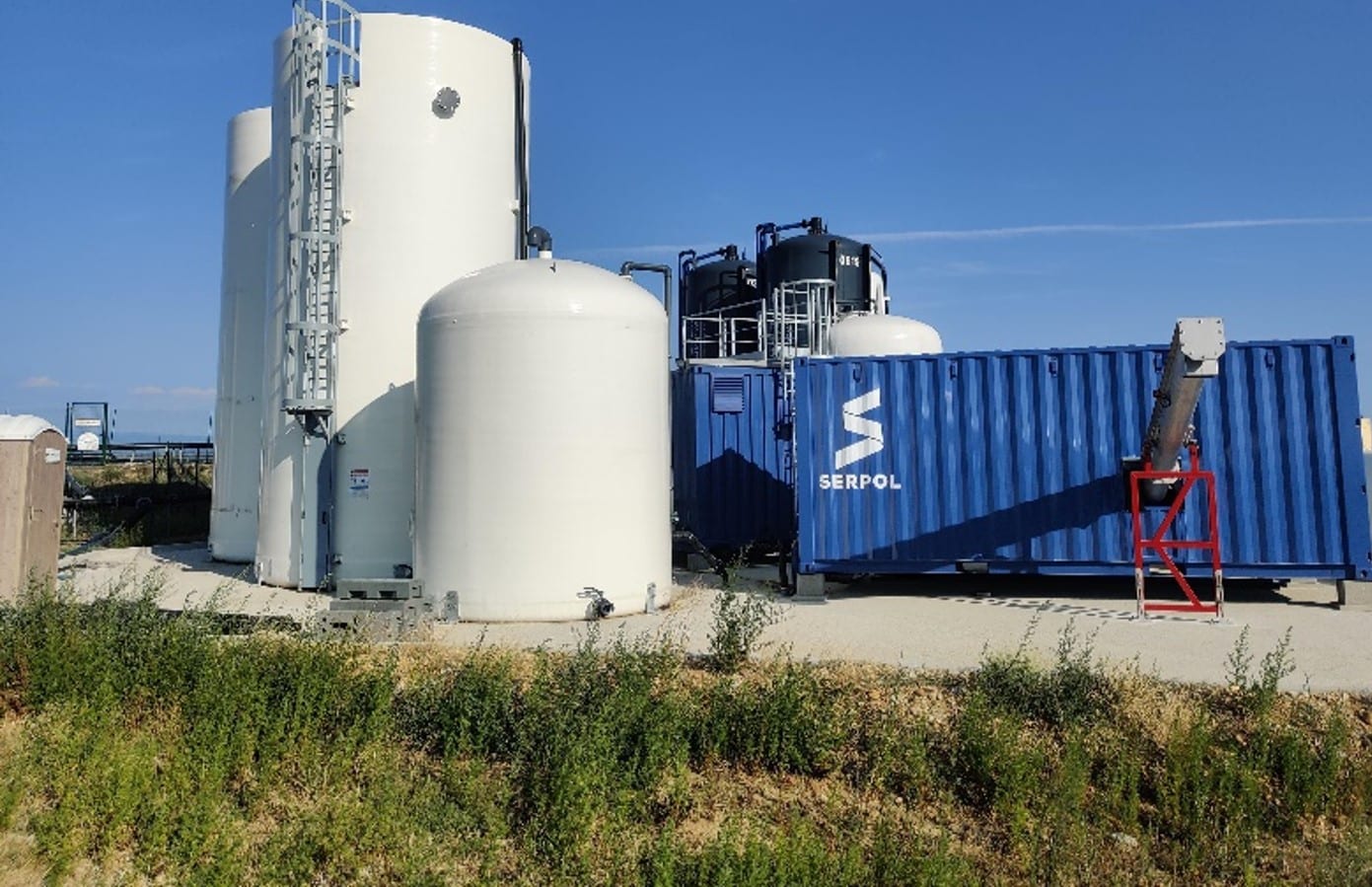
Specialized interventions are carried out at contaminated sites to treat contamination and ensure the safety of the environment. These remediation operations rely on various techniques tailored to the specific types of contamination encountered:
– Physicochemical soil treatment
– Biological processes
– Groundwater and industrial effluent treatment
These solutions act directly on pollutants to limit their spread and reduce their impact on the environment. At the same time, a customized approach is implemented for each site, from analysis through to the implementation of treatment measures. These actions reduce environmental risks, improve soil quality, and facilitate land remediation.
In the field:
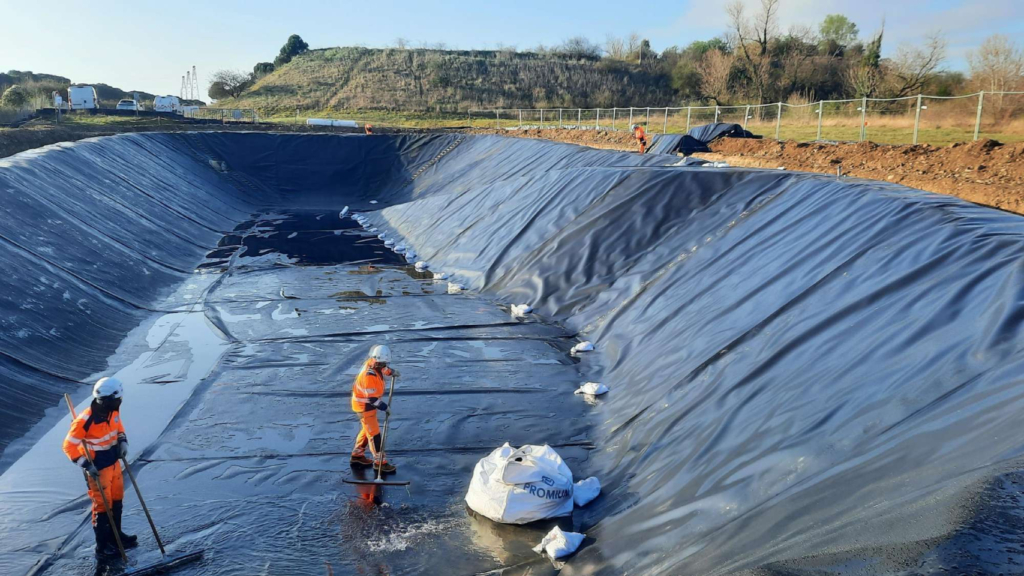
– SERPOL works on contaminated soils by implementing appropriate treatment techniques, which remove contaminants from the land and prepare it for reuse or site restoration.
Companies involved: SERPOL, GEOAMBIENT
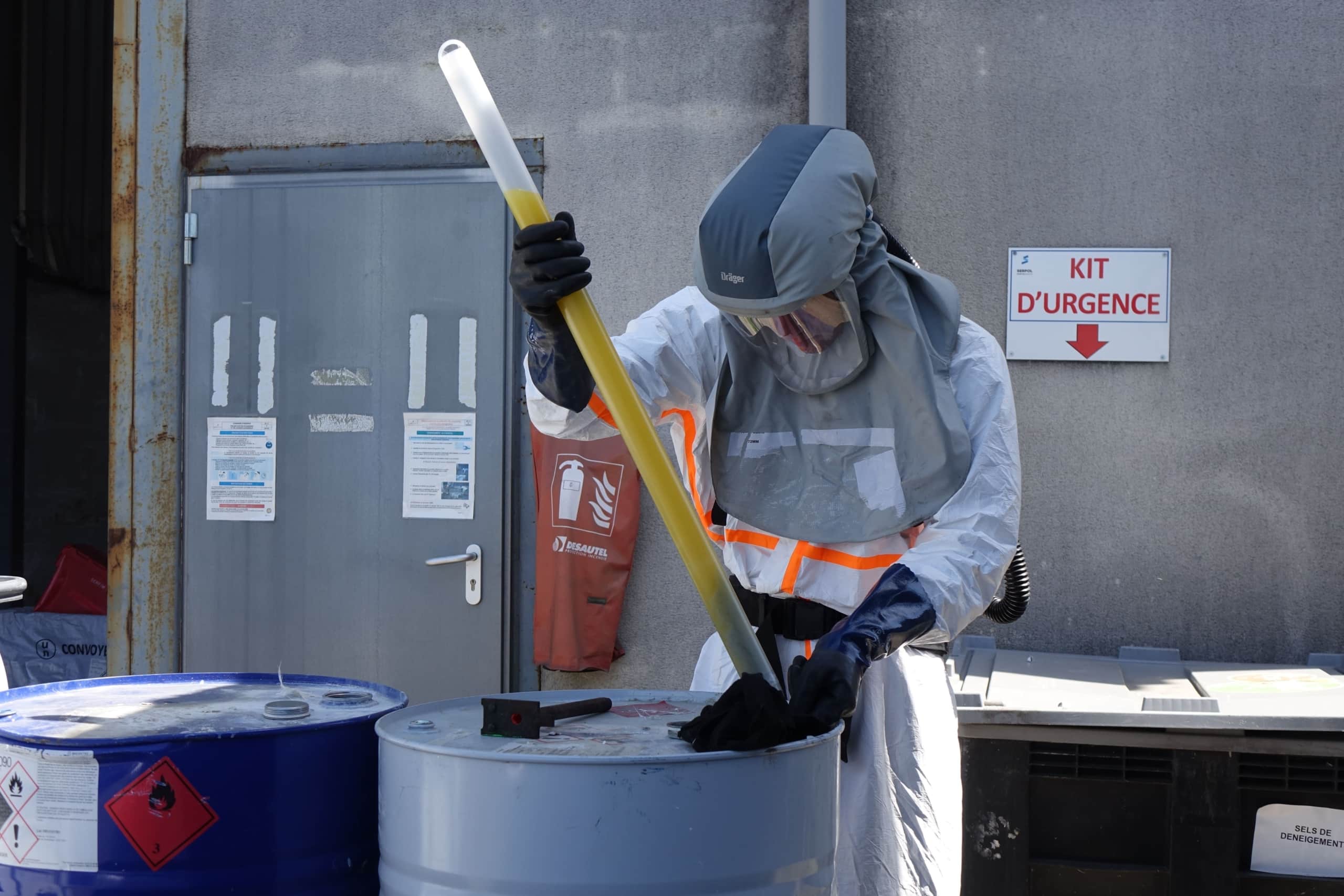
5 – Secure and Treat Hazardous Waste
Certain types of waste pose significant risks to the environment and human health. Managing this waste requires specific measures and an approach tailored to each situation. Specialized operations are carried out to identify, sort, package, and collect this waste to ensure it is treated safely according to its nature (liquid, solid, or powdery).
In the field:
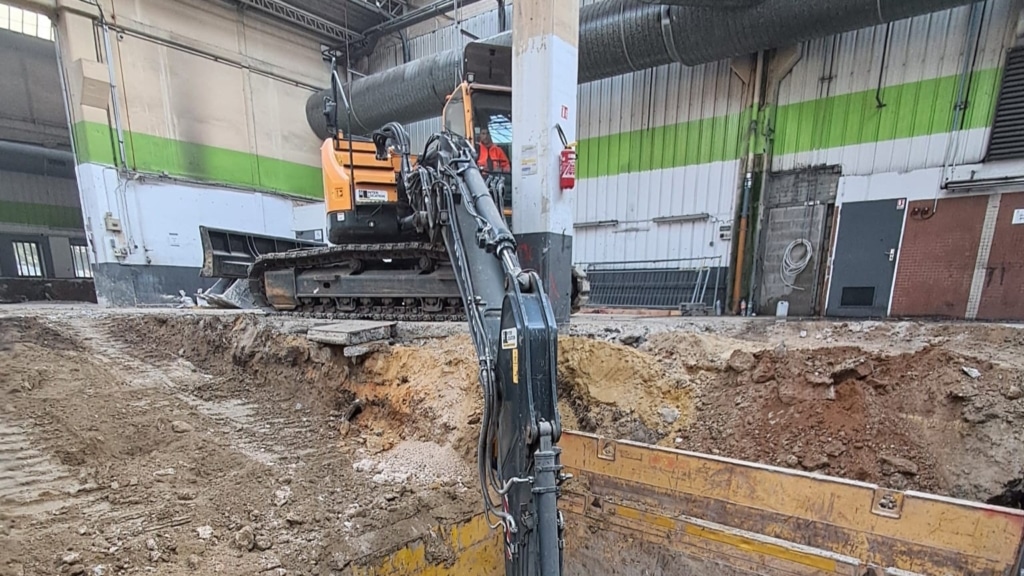
– SERPOL works directly on industrial sites to carry out remediation operations, such as pumping hydrocarbons, treating effluents, or managing contaminated soil.
– SERFIM RECYCLAGE(SERLEAD) provides comprehensive on-site hazardous waste management services : characterization, packaging, collection, and treatment, as well as pumping and cleanup operations in industrial settings.
These measures make it possible to treat pollution at its source, secure high-risk areas, and limit the impact of hazardous waste on the environment.
Companies involved: SERPOL, SERFIM RECYCLAGE, GEOAMBIENT
Through these areas of expertise, SERFIM Environnementworks every day to improve waste management and preserve natural resources.
Recycling, waste recovery, and innovation thus help address environmental challenges while supporting local communities and industries in their transitions.
These areas of expertise are fully aligned with SERFIM’s six missions, contributing in particular to the conservation of resources and the prevention of their depletion.